Week 4 of My Study Abroad Trip in Haifa, Israel

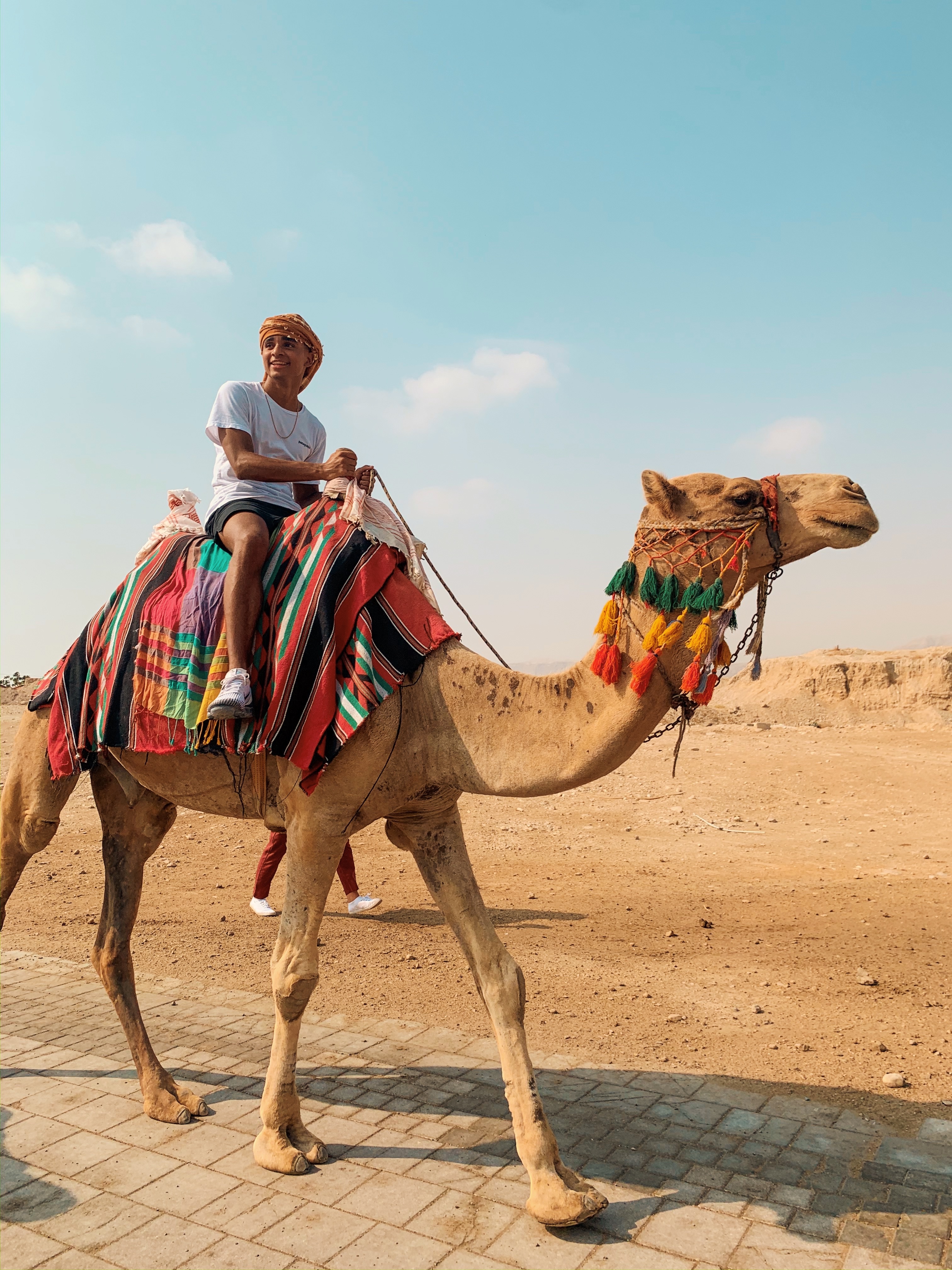
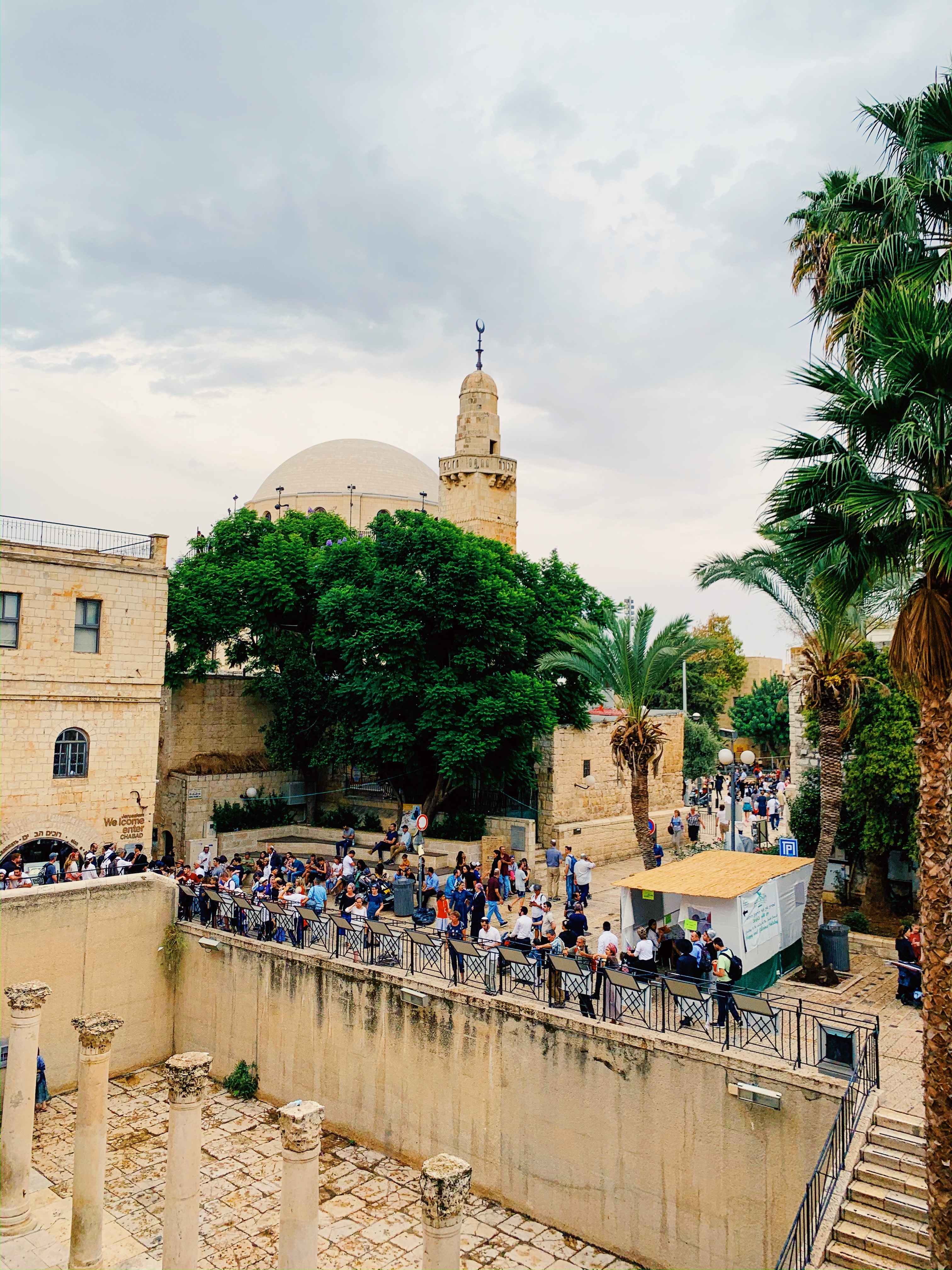
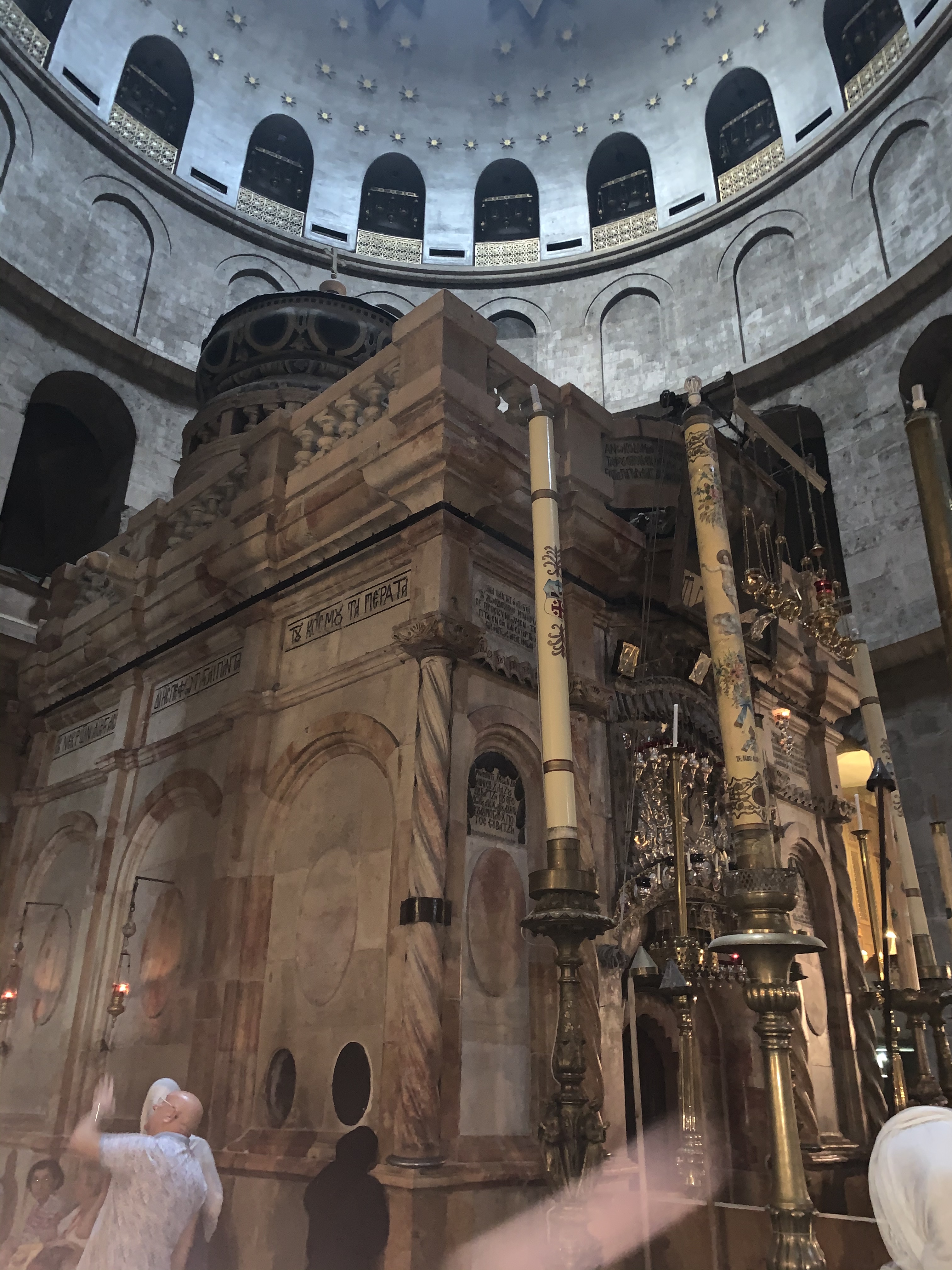
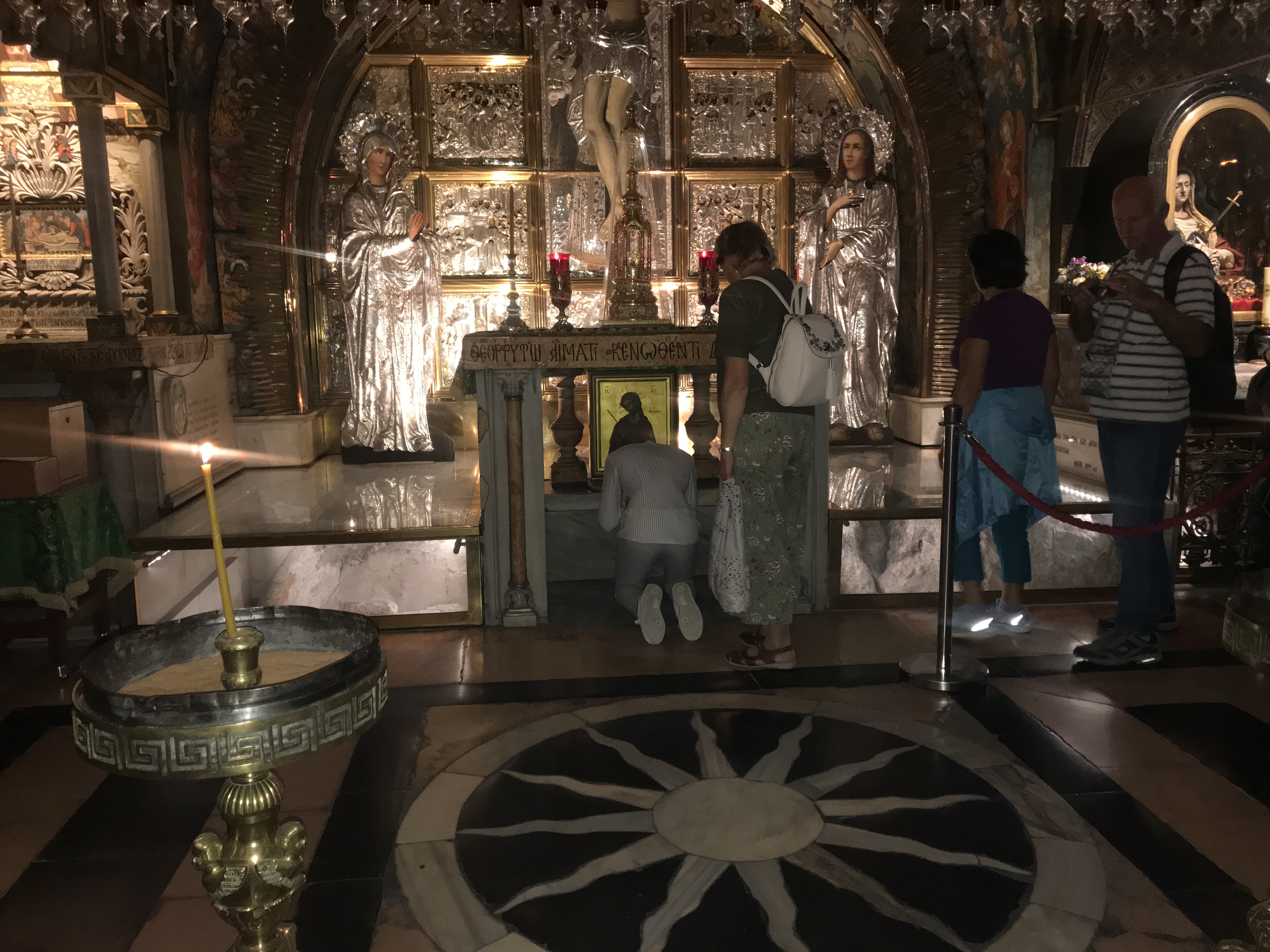
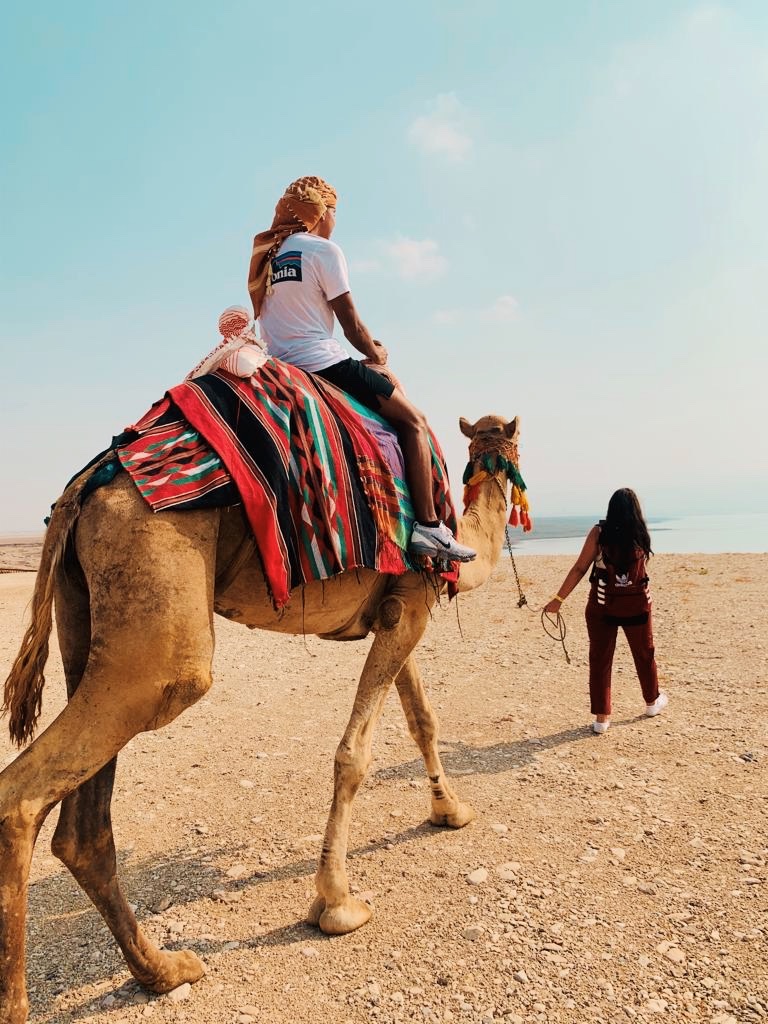
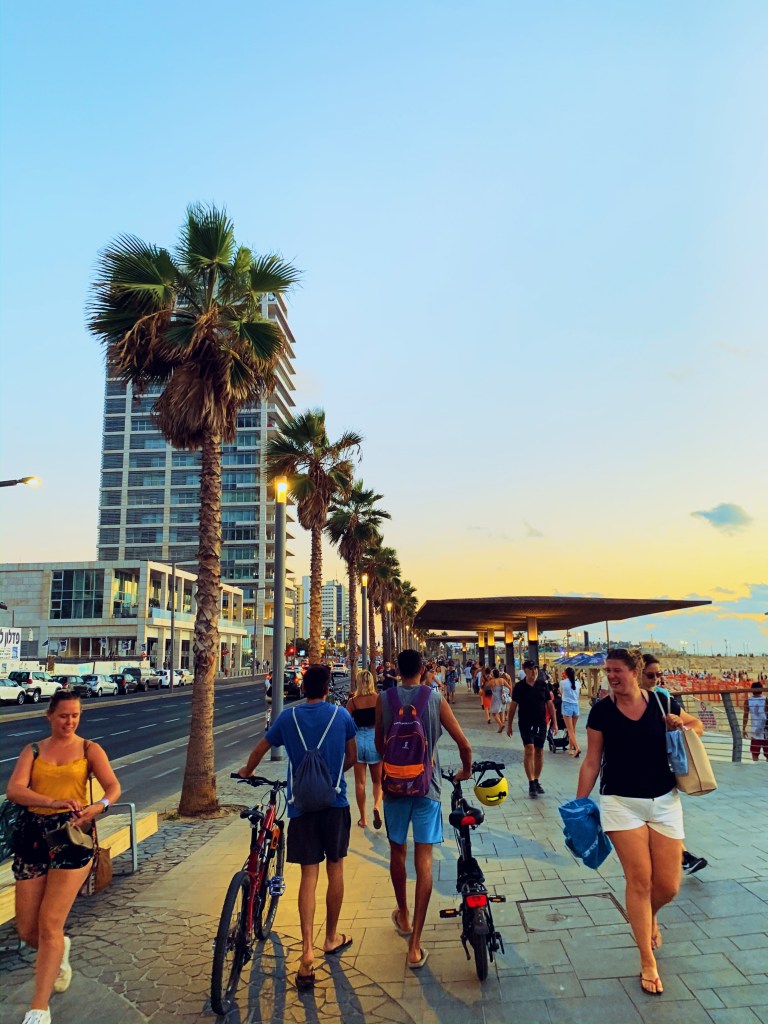
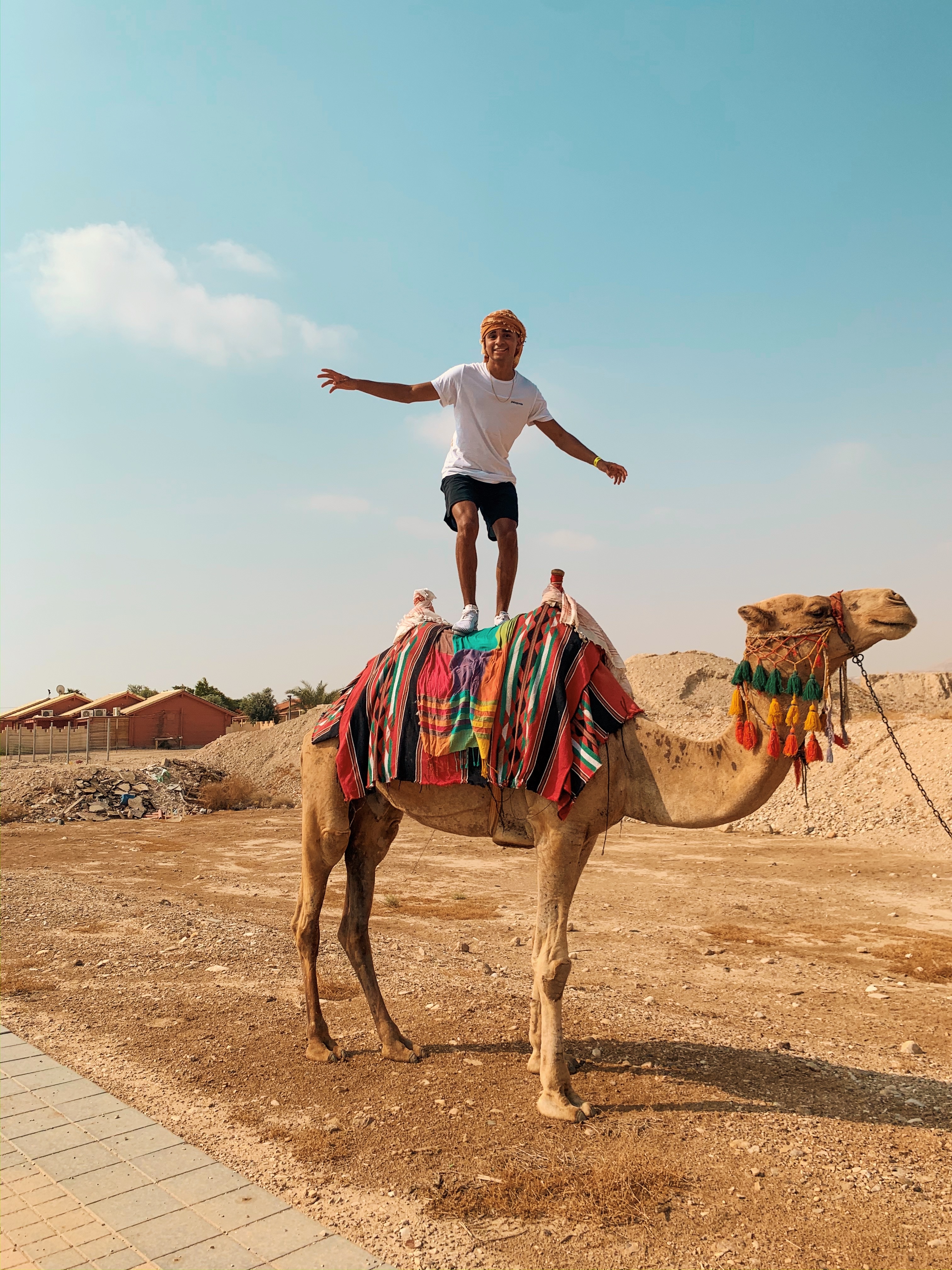
Hello everyone! I hope you all had a great week. This week I had the privilege of visiting Jerusalem for 4 days with some of my friends from the international school. This trip changed my life forever as a member of the Christian faith. I was blessed to be able to see where Jesus walked and lived. My favorite part of the whole experience was visiting the Church of the Holy Sepulcher located in the Old City of Jerusalem. This church is the site of Christ’s crucifixion, burial and resurrection. It was mind blowing for me to see these sites in person that I have learned about since I was a child in Sunday school. The presence of the Holy Spirit was undeniable inside of those church walls. Additionally, I was able to see the Western Wall, which is the most religious site in the world for Jewish people. It was an unmatched experience to see so many people from various religions around the world come together in Jerusalem to celebrate and contemplate their faith. During the third day of my trip, I visited the Ein Gedi Nature Reserve, Masada National Park and the Dead Sea. The hike up to the top of Masada was definitely the most difficult hike I have ever done. I would compare it to a 45 minute stair master workout at a high speed. The Dead Sea was amazing as well. I was so surprised that I was able to float in the water with no effort at all due to the high concentration of salt in the water. Moreover, I had the opportunity to ride a Camel and this was an experience that I will never forget. The man that owned the camel even told me to stand on top of the camel and take a picture. Lastly, I was able to practice my Arabic a lot on the trip, especially in Jerusalem because there were native speakers all around. I’d like to end this weeks blog post by stating how grateful I am to the Fund for Education Abroad and Boren Scholarships for funding my trip abroad and providing me with these once in a lifetime experiences. Thank you all for reading this week and I look forward to sharing my next adventure with you! 🙂
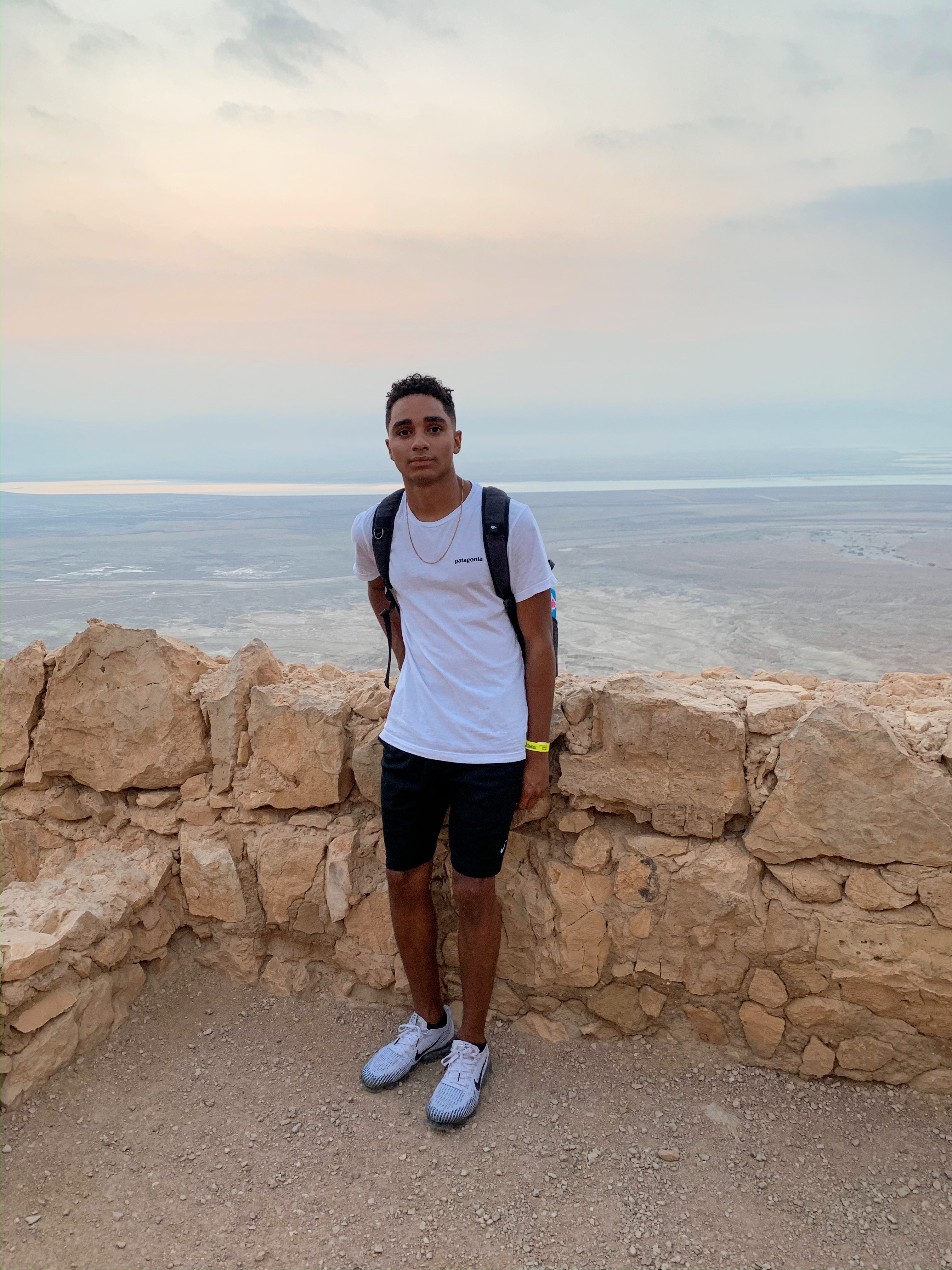
Top of Masada
Pistachio the Camel
Old City, Jerusalem
Christ’s Tomb
Where Jesus was crucified
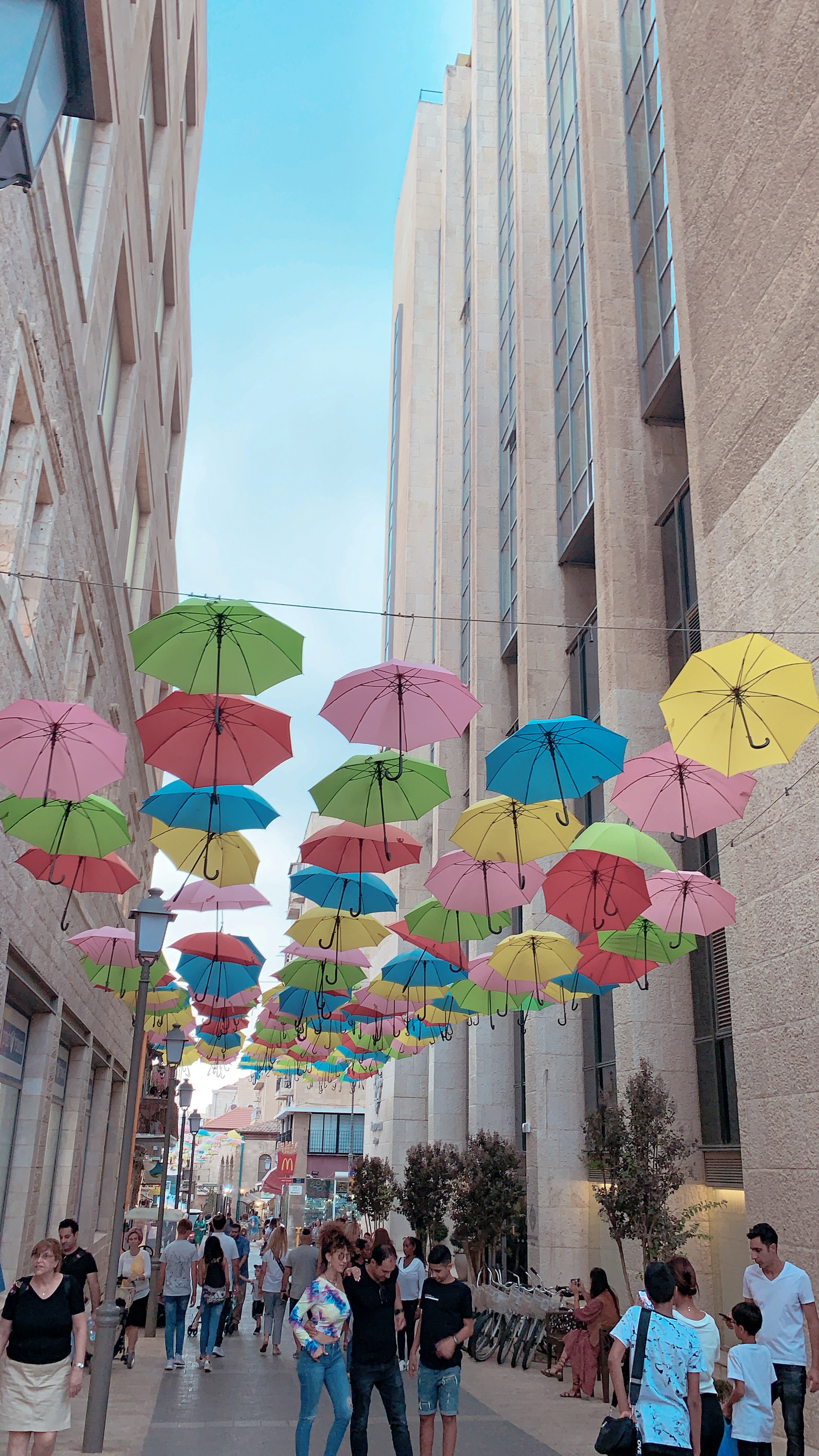
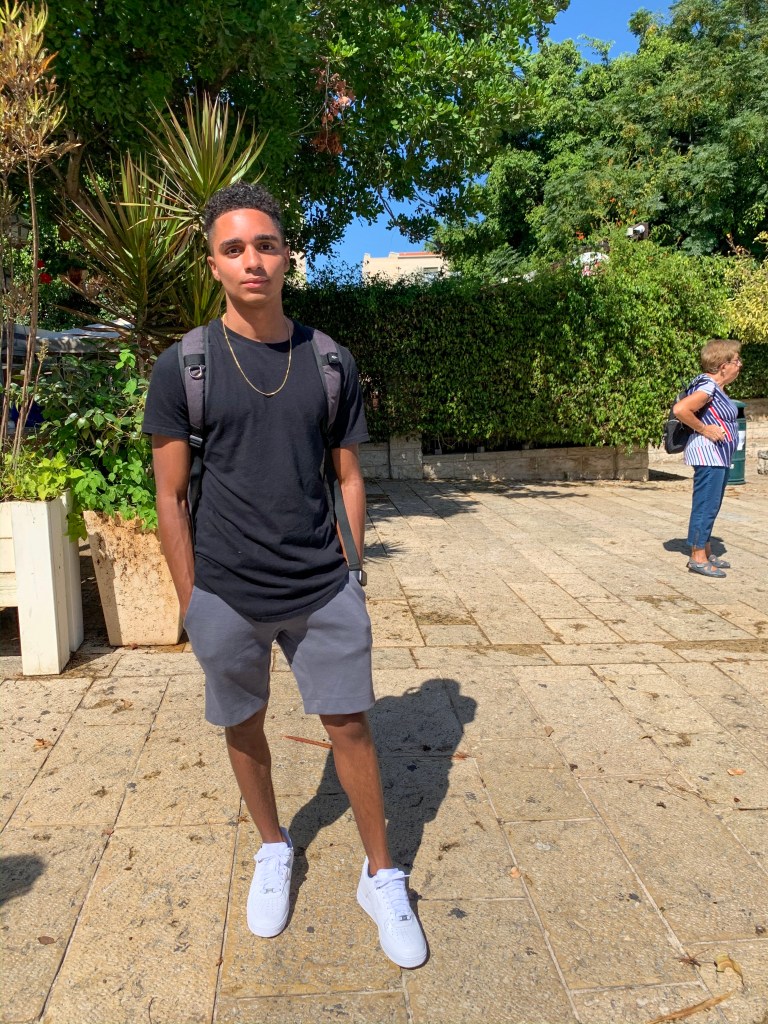
Jaffa Street
The tour guide also let my friend Nicole guide the Camel

Week 3 of My Study Abroad Trip in Haifa, Israel

Hello Everyone! This week I am going to write about some of the Jewish traditions and holidays that take place here in Israel. Unlike the U.S, when there is a holiday the majority of places are closed including public transportation. This can be an issue if you plan to travel outside of the city or need to go somewhere and don’t have a car of your own. I will start by discussing Shabbat which is the Jewish day of rest. Shabbat occurs every week from sundown Friday to Saturday Evening. Most shops are closed and there are very few buses available. If you need to travel for the weekend you must leave to your destination by early Friday morning at the latest. Many times, people will travel to Tel Aviv early Friday morning when they plan on leaving the country for the weekend because the main airport out of Israel is based there. The first week of Shabbat was a struggle for my friends and I at the International School. We didn’t have enough food to last us, but luckily, we were able to find a restaurant about a mile away from campus that is open during Shabbat. You could say that we became regulars at that restaurant for 2 days. The next holiday that I will discuss is Yom Kippur, also known as the Day of Atonement. I would say that this is the biggest Jewish Holiday of the year. During Yom Kippur, the Jewish people fast for 25 hours. Some of my Jewish friends from the international school participated in the fast and one of them didn’t use his phone for the entire period. Luckily, I learned my lesson from Shabbat and had gone to the grocery store in advance in preparation for the holidays. Upon my arrival to Israel, I was under the impression that the locals did not mind that everything closes on holidays and Shabbat. After some discussion, I realized that feelings are mixed on this issue. Several people that I have spoken with complain about this because they argue that everyone is not religious and shouldn’t have to observe this tradition if they don’t want to. Additionally, I spoke with one girl who works at a local pub and she has to work every day of the week even on Shabbat. She complained to me that she has to drive her car during Shabbat because there is no public transportation. Shockingly, she told me that when she drives through religious neighborhoods on Shabbat, the residents throw rocks at her car because the very religious people will not drive during it. Personally, I think it would be nice if there was more access to public transportation for those that are not religious or that chose not to participate in the holidays or traditions. I look forward to my next blog post and would like to thank all of you for reading this week. I am traveling to Jerusalem this upcoming week and I will be sure to take lots of pictures to share with everyone. Have a great week! 🙂

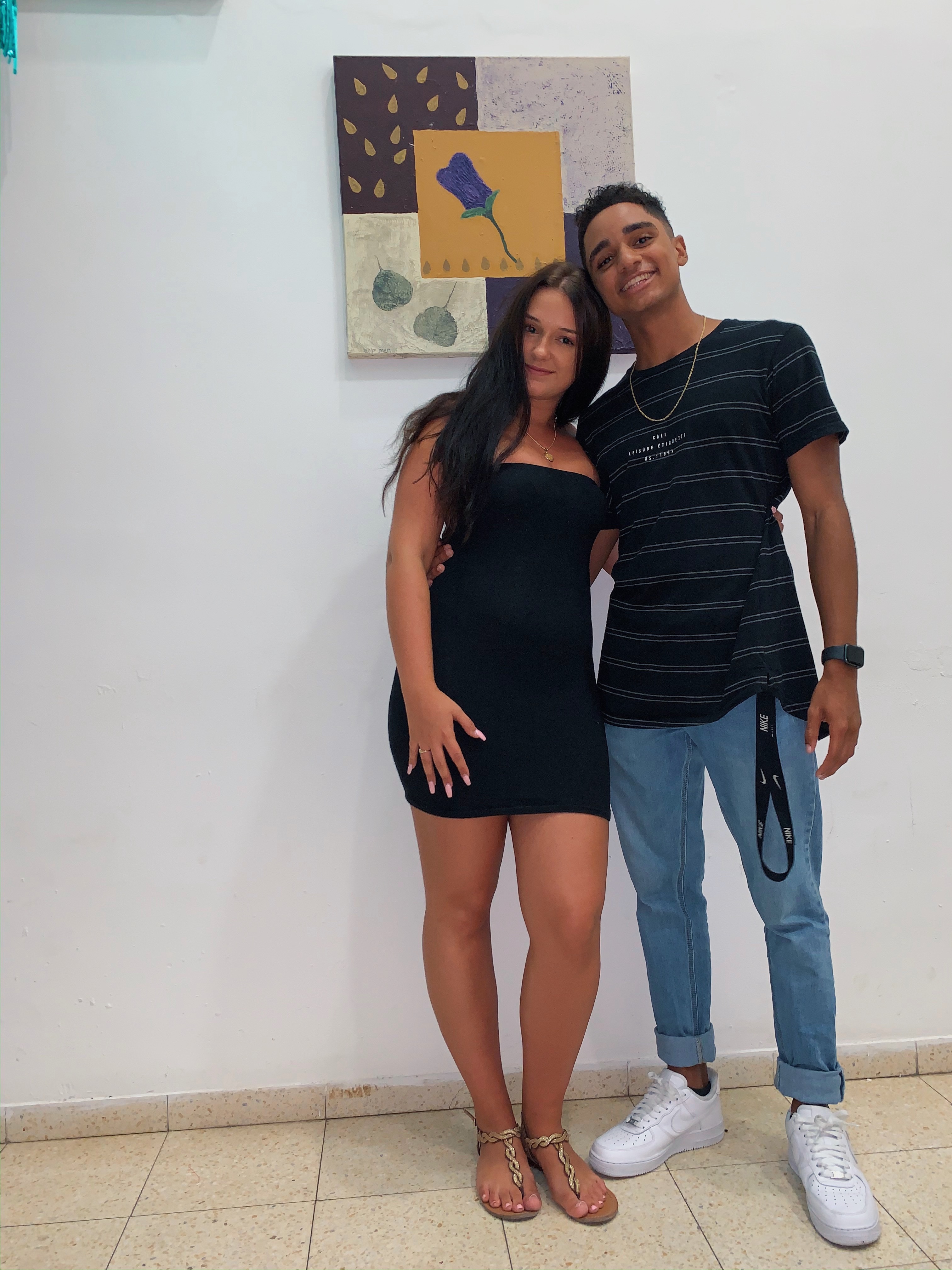
My friend Nicole and I
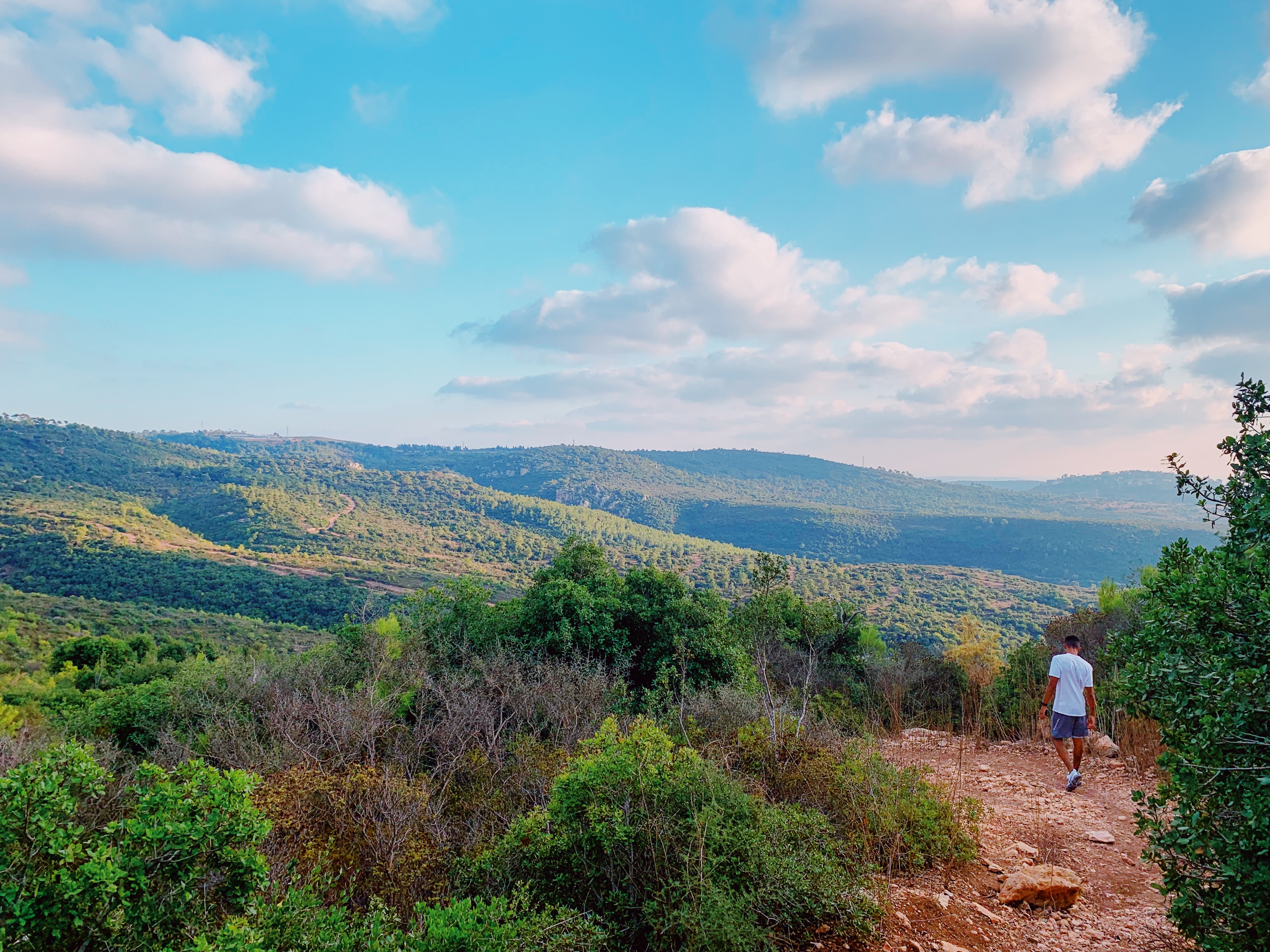
Mt. Carmel National Park

Week 2 of my Study Abroad Trip in Haifa, Israel

Hello everyone! I hope you all had a great week. I’d like to start off this week’s blog post by giving an update to the classes that I will be taking this semester. Instead of Arab-Israeli Conflict, I will now be taking a colloquial Arabic class for 4 credits. This change allows me to make the most of my time here and learn as much Arabic as possible. So now I am taking a Modern Standard Arabic (MSA) class for 6 credits, Colloquial Arabic for 4 credits, my internship for 3 credits and Terrorism and Responses for 3 credits. Some of you are probably wondering what the difference between MSA and Colloquial Arabic is? MSA is the Arabic used in news broadcasts, legal documents, official speeches, books, newspapers, and academia. Whereas colloquial Arabic is the language used in daily conversation and has 22 different dialects used across the Middle East. It has been interesting for me learning the local colloquial dialect as it is very different than the MSA that I am accustomed to. One of my favorite things about the University of Haifa is that I can take all the linguistic skills I learn and apply them right outside of the classroom at my internship or the local Arab markets. Additionally, I can practice my Arabic at home because my roommate speaks the language as well. Most of the signs in Israel are in Hebrew and have the Arabic translation under them. One thing that I noticed though is that some of the signs tend to have the incorrect Arabic translation but the majority of them are accurate. During my last semester at the University of Nevada, Reno (UNR) I was able to participate in the Far West Conference for Model United Nations in San Francisco. Model United Nations is a club sponsored by the United Nations and facilitated by different Universities around the world. During club meetings, students work together to represent countries from around the world. At the end of the semester, the United Nations hosts a conference where all of the Model UN clubs compete in a formal setting in a mock United Nations Assembly. Upon my arrival in Haifa, I was pleased to find out that the University of Haifa has a Model UN club and I have an interview this upcoming Thursday for the club. For the interview, I have to prepare a 3-minute speech on an international topic. I plan on discussing the ongoing refugee crisis in Yemen and the urgent need for humanitarian assistance in the country. I ended off my week by going to the beach with a group of friends from the international school. I would like to thank everyone for reading this week and look forward to updating you about my upcoming week! Please feel free to subscribe to my blog to get an email notification every time I post.

Carmel Beach, Haifa

Week 1 of My Study Abroad Trip In Haifa, Israel

Hello everyone! I have just completed the first week of my time abroad here in Haifa, Israel. Life in Haifa is very different than what I am accustomed to in the U.S.A, but I am starting to get acclimated to it. I started my first week of school and I love my classes so far. I am taking 3 classes and an internship which is equivalent to 15 credits. My classes include Arabic, The Arab-Israeli Conflict, Terrorism and Responses and my internship at a shelter. I have already learned a lot from these classes, and I can’t wait to see what the rest of the semester has in store for me. After our first week of classes the international school took all of the international students on a tour of Haifa and we were able to see several different parts of the city. My favorite part of the tour was the Bahá’í Gardens. They were breathtaking. After the tour was over, I went with a group of friends I made from the International School and we took the train to Tel Aviv. We spent the night in the city at an Airbnb we rented together. Tel Aviv was amazing and had some of the best views of the Mediterranean Sea. We spent all of Saturday on the beach and I got the best tan. The water in the Mediterranean Sea was also the warmest I have ever been in. Today I would like to write about my experience with “culture shock” since my arrival. According to the Oxford Dictionary culture shock is the feeling of disorientation experienced by someone who is suddenly subjected to an unfamiliar culture, way of life, or set of attitudes. When I first got to Haifa, I was a mix of emotions. I was excited, anxious, and nervous for what was to come. I was worried about making friends and connecting with the people who live here. The biggest piece of advice that I would give to anyone intending to study abroad is to give everything time because it will all fall into place eventually. One of the major cultural differences that shocked me is that people here will not smile at you or say hello when you walk by them, but if you ask them a question or try to make conversation they will be more than happy to speak with you. One thing that I love about the people who live in Israel is that they are extremely direct and to the point. They will not lie to you and they will tell you exactly how they feel about anything. People in America can tend to be less direct about the way they feel towards a situation in order to avoid contention. People in Israel love to talk about politics, religion and other topics which are usually avoided in America. They love to hear outside perspective and opinions on issues going on within their country and around the world. Thanks for reading my blog this week. I can’t wait to share with all of you my experience for the upcoming week!

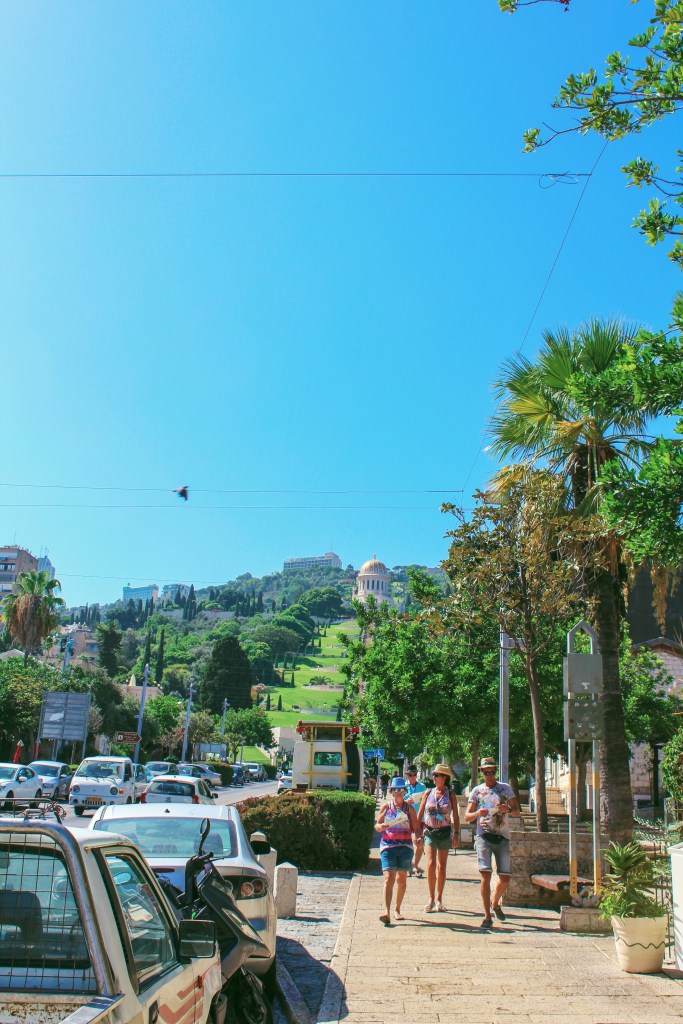
Bahá’í Gardens
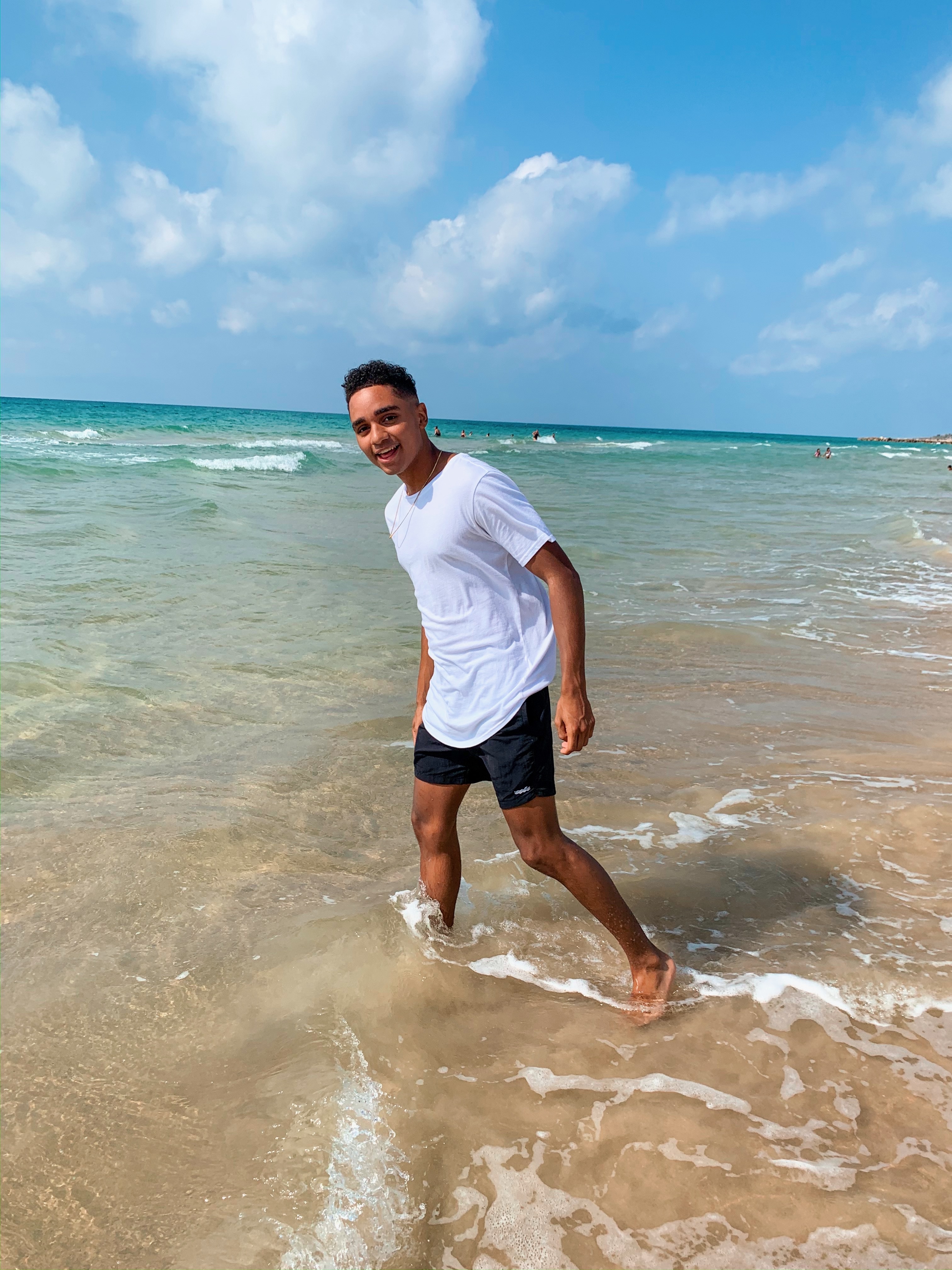
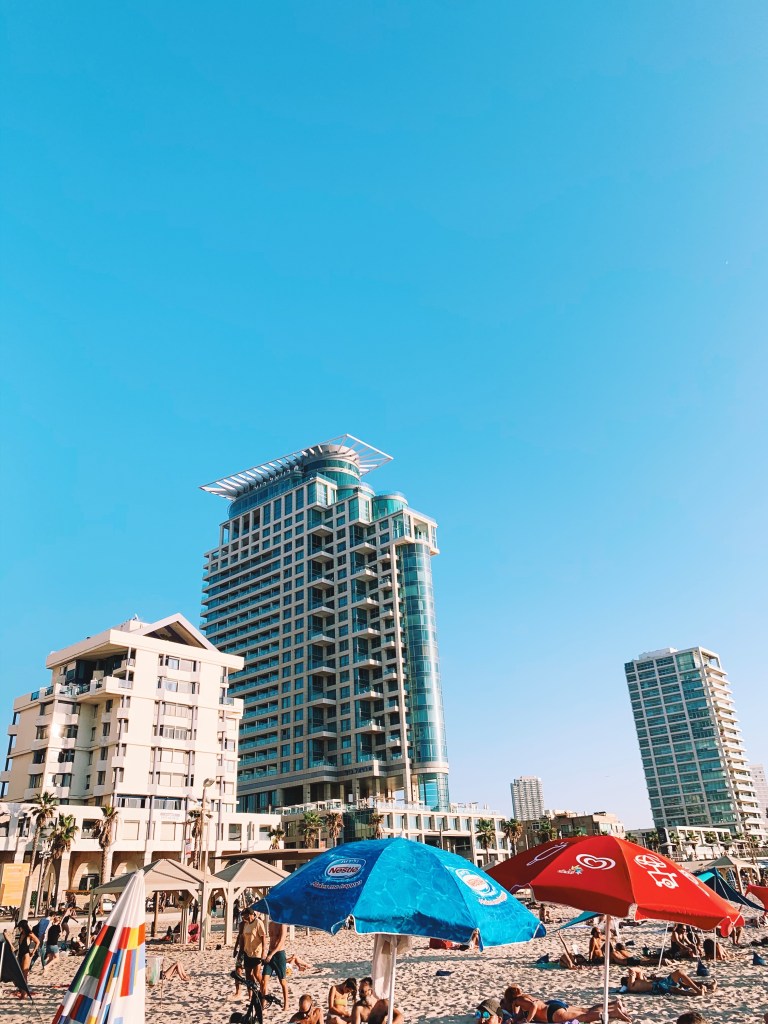
Tel Aviv
Tel Aviv
Design a site like this with WordPress.com
Get started